
Navigating California’s Emissions Reporting Laws: A Guide for Corporate Leaders
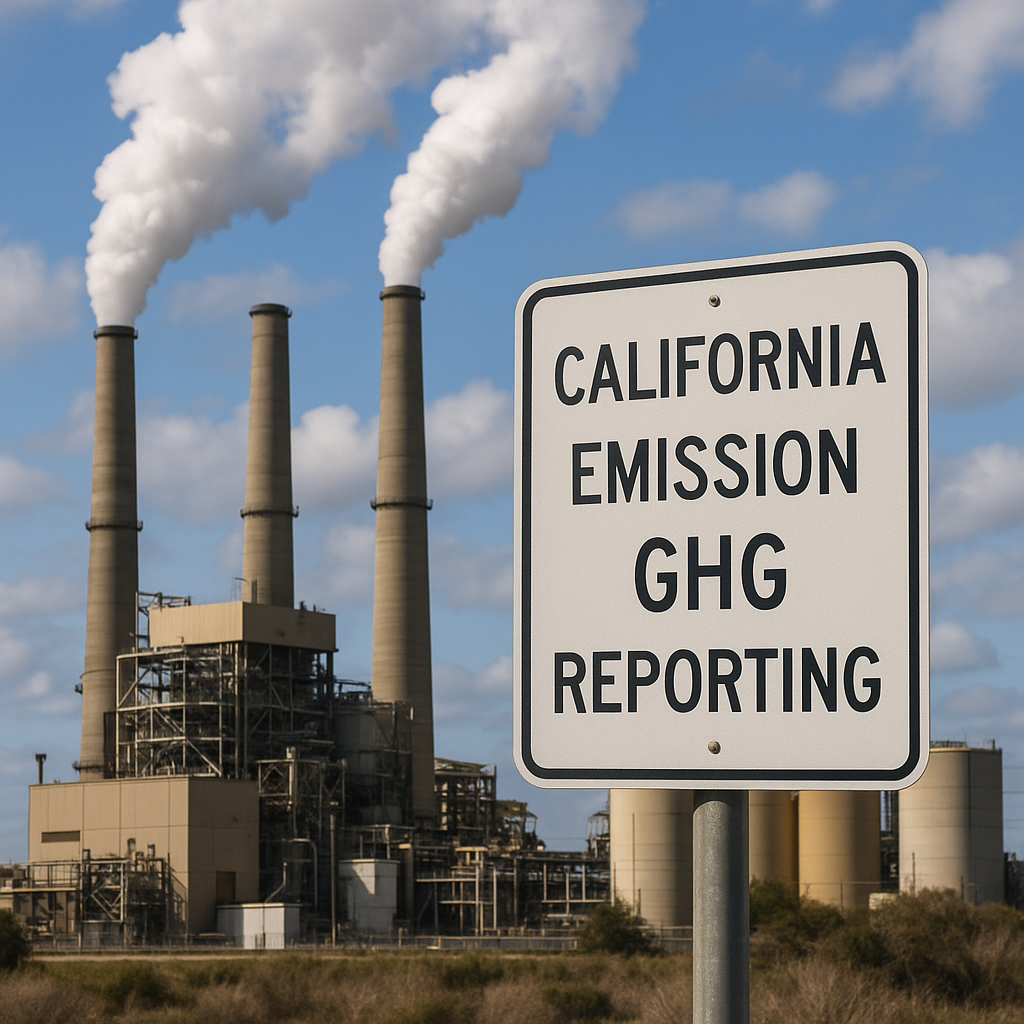
California’s new rules on corporate GHG emissions are shifting how big companies report their impact. If your business pulls in over $1 billion and operates here, SB 253 means you’ll need to track and report Scope 1, 2, and soon Scope 3 emissions with verified data. This guide breaks down the complex requirements and shows what you must do to stay ahead in California emissions reporting.
Understanding California’s Emissions Laws

These new regulations are reshaping the way companies handle greenhouse gases. Let’s explore the specifics and why they matter to your business.
SB 253: Corporate GHG Emissions
If your company operates in California with over $1 billion in revenue, this law affects you. Starting in 2026, you must report Scope 1 and 2 emissions. By 2027, it includes Scope 3 emissions. This law is pivotal because it demands precise emissions data aligned with the GHG Protocol. Understanding these requirements now can prevent costly compliance issues later.
SB 261: Climate-Related Financial Risks
For companies with more than $500 million in revenue, SB 261 requires a different focus. Biennial assessments of climate risks are mandatory. Although paused due to legal challenges, it mirrors global frameworks progressing elsewhere. Preparing for this ensures your business is ready when it resumes, reflecting proactive climate risk management.
AB 1305: Carbon Offset Transparency
AB 1305 requires transparency from any company operating in California that buys or sells carbon offsets or makes public claims about climate impacts. This law forces you to disclose detailed information about offsets, including project details and verification methods. It turns marketing claims into legal statements, requiring robust data and traceability.
Preparing for Compliance
Now that you know the laws, how do you comply? Let’s delve into preparing your emissions reporting and aligning with standards.
Scope 1, 2, and 3 Emissions
To comply, you need to understand Scope 1, 2, and 3 emissions. Scope 1 covers direct emissions from owned or controlled sources. Scope 2 involves indirect emissions from the generation of purchased electricity. Scope 3 encompasses all other indirect emissions, like supply chain activities. Understanding these scopes is crucial for accurate reporting.
Independent Assurance Requirements
California’s laws also demand independent verification of your emissions data. This means hiring third-party auditors to validate your reports. This step is vital for ensuring credibility and compliance, and it might also boost stakeholder confidence by showing transparency and accountability.
Aligning with Global Frameworks
Aligning with global frameworks like the GHG Protocol or the CDP not only enhances compliance but also positions your business as a sustainability leader. These frameworks offer guidance on emissions measurement and management, making them valuable tools for achieving compliance and demonstrating environmental responsibility.
Leveraging SuiteEarth for ESG

SuiteEarth can simplify these processes and support your compliance efforts. Here’s how it can help.
Simplifying AB 1305 Compliance
With SuiteEarth, you can manage AB 1305 requirements effortlessly. It offers a single source of truth for emissions calculations with documented methodologies. This means your claims are backed by real data, satisfying AB 1305’s transparency rules.
Tracking and Reporting Mechanisms
SuiteEarth’s platform simplifies emissions tracking. It automates data collection, reducing manual errors and ensuring accurate reporting. This automation not only saves time but also enhances the reliability of your data, meeting California’s strict reporting standards.
Benefits for Business Leaders
Using SuiteEarth offers several benefits. It ensures compliance with complex laws, reduces the risk of penalties, and enhances your company’s reputation as a responsible entity. By turning sustainability into a competitive advantage, it helps attract investors and customers who value environmental responsibility.
By understanding and preparing for California’s emissions reporting laws, you not only ensure compliance but also strengthen your company’s sustainability practices. Embracing these changes today can lead to long-term success and a positive environmental impact.