
Most carbon accounting workflows buckle under pressure when data spikes or audits loom. If you rely on manual tracking or disconnected systems, meeting SB 253 compliance and GHG Protocol reporting can feel overwhelming. This post shows how a resilient, audit-ready carbon accounting workflow powered by SuiteEarth’s AI and NetSuite integration keeps your Scope 1, 2, and 3 data accurate and ready for SEC, CDP, and TCFD demands.
Building a Reliable Carbon Accounting Workflow
Creating a reliable carbon accounting workflow is crucial for maintaining accuracy under pressure. Let’s explore the importance of ESG reporting and key workflow elements to address common pressure points.
Importance of ESG Reporting
ESG reporting is not just a trend; it’s essential for transparency and compliance. Companies must demonstrate their commitment to sustainability which can enhance their reputation and meet regulations. Effective ESG reporting provides a structured approach to manage environmental impact.
Key Components of Workflow Design
Designing a carbon accounting workflow involves several key components. First, you need to integrate data collection seamlessly across all operational areas. Using a platform like SuiteEarth ensures that your data is continuously updated and accessible. Second, establish clear processes for data validation to ensure accuracy. Implementing regular audits and reviews can help identify and correct discrepancies early. Finally, ensure your team is trained and aware of the latest compliance and reporting standards. This proactive approach can prevent errors and improve the credibility of your reports.
Addressing Pressure Points in Accounting
Pressure points in carbon accounting often arise from data spikes or audits. To tackle these, use technology to automate data gathering and processing which reduces manual errors. Utilizing AI-driven analytics can provide insights into unexpected trends or anomalies. Additionally, establish a robust internal control system to oversee data integrity. This not only ensures compliance but also boosts stakeholder confidence in your reports.
Automating Carbon Accounting with AI
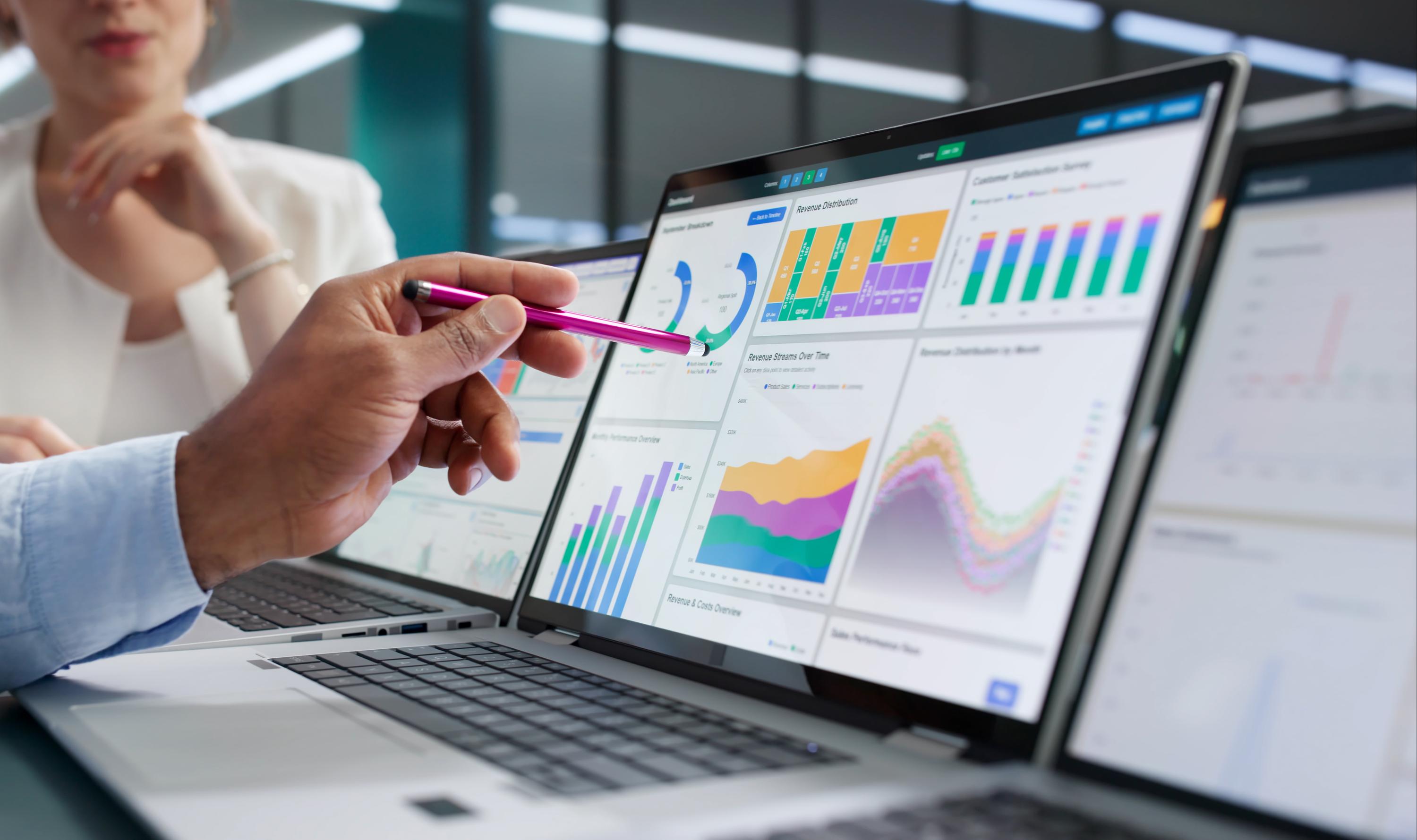
Automation is the key to efficient carbon accounting. Let’s delve into how AI can streamline the process and ensure compliance with SB 253 standards.
Scope 1, 2, and 3 Automation
Automating the tracking of Scope 1, 2, and 3 emissions simplifies compliance. SuiteEarth’s AI can monitor emissions from direct sources like fuel use and purchased energy. It calculates Scope 3 emissions from supply chain activities. The system captures data at the transaction level, ensuring accuracy and timeliness. By automating these processes, you reduce the risk of human error and improve data reliability.
Benefits of SuiteEarth AI
SuiteEarth’s AI offers significant benefits for carbon accounting. It integrates seamlessly with NetSuite, providing a unified platform for ESG reporting. The AI-driven insights help you make informed decisions about emissions reduction strategies. Additionally, automated tracking saves time and reduces operational costs. This technology empowers you to focus on strategic initiatives rather than manual data entry.
Ensuring SB 253 Compliance
Compliance with SB 253 is simplified through SuiteEarth’s AI. The platform automatically aligns your data with regulatory requirements. It generates audit-ready reports that meet GHG Protocol, SEC, and CDP standards. This ensures that your carbon accounting is always up-to-date and compliant. By using SuiteEarth, you mitigate compliance risks and demonstrate your commitment to sustainability.
Achieving Audit-Ready Carbon Data

Achieving audit-ready carbon data is essential for credible ESG reporting. Let’s explore data governance, NetSuite integration, and preparation for GHG Protocol and SEC disclosure.
Data Governance and Internal Controls
Strong data governance is foundational to audit-ready carbon accounting. Implement a system of checks and balances to maintain data integrity. Regular audits and reviews help identify potential issues before they become problems. Train your team on data management best practices to ensure consistency and accuracy. This proactive approach reduces the risk of errors and enhances the credibility of your reports.
Leveraging NetSuite for ESG Reporting
NetSuite offers powerful tools for ESG reporting. By integrating SuiteEarth with NetSuite, you gain access to comprehensive data analytics and reporting capabilities. This integration streamlines data collection and processing, making it easier to meet ESG reporting requirements. With NetSuite, you can create customized dashboards to monitor performance and track progress toward sustainability goals.
Preparing for GHG Protocol and SEC Disclosure
Preparation for GHG Protocol and SEC disclosure is crucial for companies facing regulatory scrutiny. SuiteEarth’s AI ensures your data is aligned with these standards. The platform generates reports that meet all necessary criteria, reducing the risk of non-compliance. By preparing for these disclosures, you demonstrate transparency and accountability to stakeholders and regulators.
Frequently Asked Questions
What is ESG reporting, and why is it important?
ESG reporting is the process of disclosing environmental, social, and governance factors. It’s important because it enhances transparency, meets regulatory requirements, and can improve a company’s reputation.
How does SuiteEarth help with carbon accounting?
SuiteEarth integrates with NetSuite to automate the tracking of Scope 1, 2, and 3 emissions. It provides AI-driven insights and generates audit-ready reports that comply with regulatory standards.
What are the benefits of automating carbon accounting?
Automating carbon accounting reduces manual errors, saves time, and decreases operational costs. It ensures timely and accurate data, which supports informed decision-making.
How can my company ensure SB 253 compliance?
SuiteEarth’s AI platform automatically aligns data with SB 253 requirements. It provides audit-ready reports that meet GHG Protocol, SEC, and CDP standards, ensuring compliance.
Why is data governance important in carbon accounting?
Data governance ensures the accuracy and integrity of carbon accounting data. It involves regular audits, reviews, and training to maintain consistent and reliable reporting.